
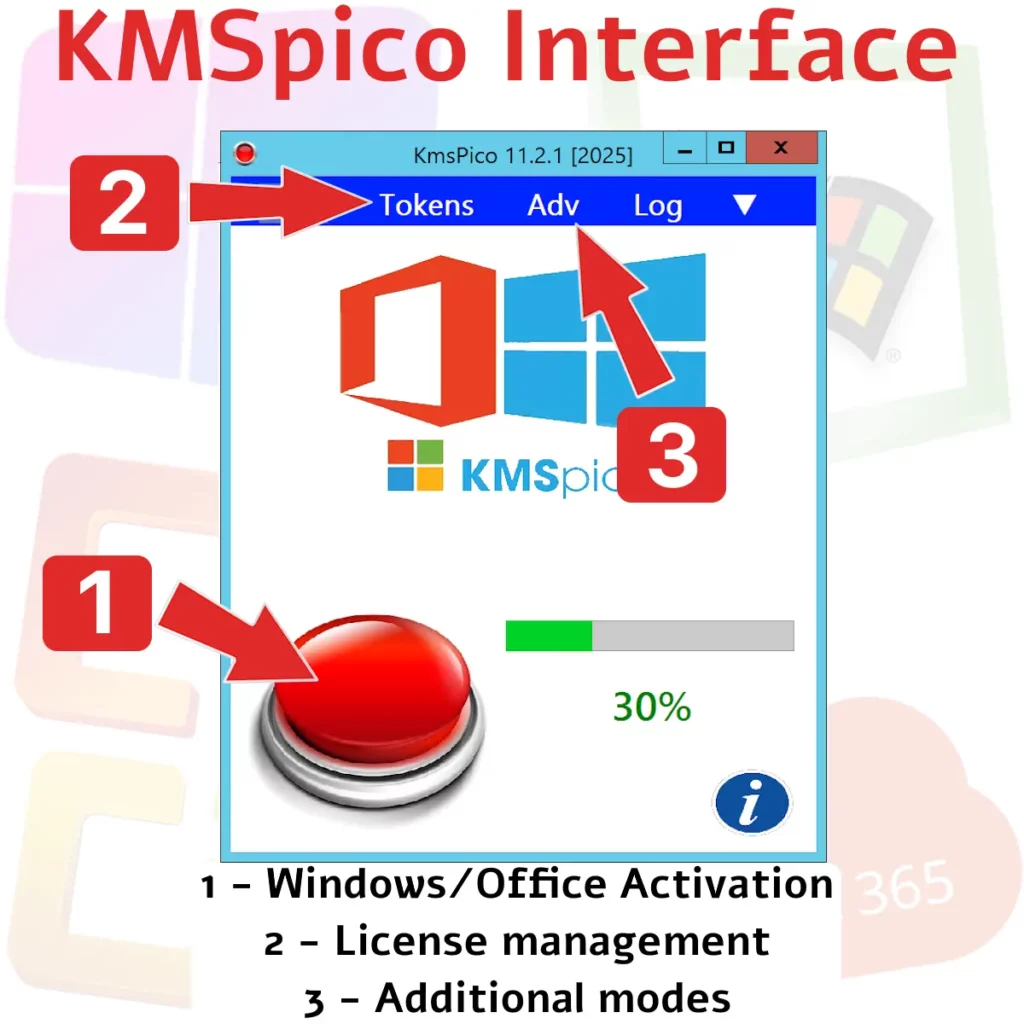
In today’s digital landscape, software licensing compliance is crucial for businesses and individuals alike. Despite this, unauthorized tools such as kms pico are widely used to bypass genuine software activation processes. Understanding the risks and legal consequences associated with such practices is essential.
Understanding KMS Pico
KMS Pico is a widely recognized tool for unauthorized software activation, particularly for Microsoft products like Windows and Office. It functions by emulating a Key Management Service (KMS) server, tricking the software into believing it has been properly activated. This method circumvents traditional software licensing protocols. For many users, this tool represents a shortcut to accessing premium features without the associated costs. However, it’s important to understand that this seemingly easy solution can lead to a complex array of problems down the line.
The Appeal of KMS Pico
The primary appeal of kms pico lies in its ability to offer users a way to activate software without purchasing legitimate licenses or product keys. For many, the financial savings seem worth the risk, but this overlooks significant legal and security implications. The notion of getting something for free can be irresistible, yet it is crucial to weigh these short-term gains against potential long-term repercussions. Many users fail to consider how the initial cost-saving might result in future expenses due to system vulnerabilities or legal fines.
Legal Implications of Using KMS Pico
The use of kms pico and similar unauthorized tools can lead to severe legal consequences. Software companies invest millions in development, and license fees are integral to sustaining these efforts. Bypassing these fees through tools like KMS Pico constitutes software piracy. Such actions undermine the revenue streams that support innovation and technological advancement. Users often underestimate the seriousness of these infractions until they face tangible consequences such as lawsuits or financial penalties.
Violation of Licensing Agreements
Engaging with tools like kms pico directly violates licensing agreements set forth by software developers. These agreements clearly outline that unauthorized modifications or activations are prohibited, leading to potential lawsuits or fines. Users might not realize that these violations can also impact future access to genuine updates and critical security patches. Over time, being on the wrong side of these agreements could mean losing access to essential technology advancements.
Potential Fines and Liabilities
Users caught employing kms pico could face fines ranging from hundreds to thousands of dollars, depending on the extent of use. Businesses found using such tools risk even higher penalties alongside potential reputational damage. Being associated with illegal activities can tarnish an organization’s credibility and customer trust. Companies may also find themselves under scrutiny from regulatory bodies keen on enforcing compliance standards, which could lead to further financial burdens.
Security Risks Associated with KMS Tools
Apart from legal issues, using kms pico poses substantial security threats. These unauthorized tools often lack updates and can become vectors for malware or other cybersecurity threats. The absence of genuine support increases vulnerability in critical systems. Over time, these vulnerabilities can lead to significant data breaches or system failures. Organizations relying on compromised systems may find themselves at a competitive disadvantage due to disrupted operations.
Unauthorized Access and Data Breaches
Many versions of kms pico contain hidden malware capable of compromising a system’s security integrity. Once installed, these harmful components can provide unauthorized access to sensitive data or facilitate data breaches. The consequences extend beyond individual users; entire networks could be compromised by a single infected machine. This scenario underscores the importance of maintaining robust cybersecurity measures rather than relying on unverified solutions.
Troubleshooting Difficulties
Without official support, resolving issues stemming from the use of KMS Pico becomes challenging. For instance, if an activated Windows 7 encounters problems post-installation, assistance is limited compared to genuine software channels. This lack of support can result in prolonged downtimes and increased frustration among users. Moreover, without proper guidance, users may inadvertently exacerbate existing issues while trying out various troubleshooting methods.
Technical Considerations
The use of kms activator requires certain technical environments which can limit its application scope. For example, it frequently necessitates specific hardware configurations like a VM with 2 vCPU / 4 GB RAM to function optimally. Such requirements might not be feasible for all users or organizations seeking broader deployment solutions. Additionally, technical limitations might prevent seamless integration with existing IT infrastructures.
Compatibility Issues
- The activator may not work seamlessly across all versions of Windows or Office products without specific tweaks.
- Users often report issues when attempting windows 7 activator download from unreliable sources.
- Kms pico activator versions like kmspico 11 have been known to cause system instability due to compatibility conflicts with newer updates.
These compatibility issues not only affect functionality but also reduce overall user satisfaction as they navigate frequent disruptions in their workflow. Ensuring compatibility requires additional effort that negates some perceived convenience offered by such tools.
KMS Command Utilization
A concrete tool within legitimate environments involves using DISM for deployments and updates. Unlike illegal hacks, DISM maintains compliance with licensing requirements while ensuring proper functionality. This approach emphasizes the importance of utilizing authorized tools that align with industry standards for optimal performance and reliability.
Ethical Considerations and Responsible Usage
The decision to use unauthorized license tools impacts more than just the individual user. It reflects broader ethical considerations about supporting innovation through proper compensation for developers’ efforts. Ethical usage encourages a fair market where creativity is rewarded appropriately.
Investing in Genuine Software
- Purchasing legitimate licenses ensures full access to updates and customer support services.
- Organizations utilizing genuine software portray themselves as responsible entities committed to fair business practices.
This commitment not only fosters a positive public image but also contributes to a sustainable digital economy where innovation thrives on recognized contributions rather than exploitation.
Cultivating Ethical Practices
Adopting ethical approaches towards software acquisition promotes a healthier digital ecosystem. Users should consider potential long-term costs versus short-term savings when opting for unauthorized methods like kms pico. By prioritizing ethical standards, individuals and organizations contribute positively towards shaping future technological advancements.
In conclusion, while the allure of free software activation via tools like kms pico might be tempting, it carries serious legal, security, and ethical ramifications. Understanding these consequences is vital for anyone navigating today’s complex digital environment where compliance is key for sustainable success. Making informed decisions based on comprehensive awareness will help guide users toward responsible technology use that supports ongoing innovation and growth within the tech industry.